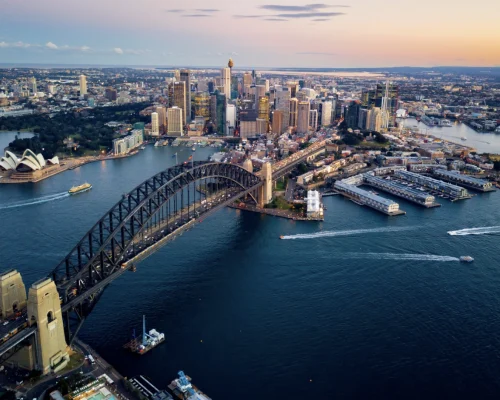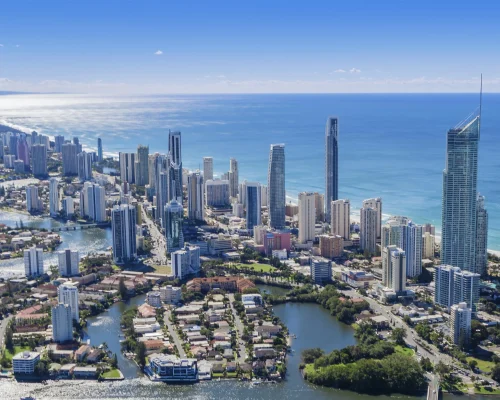

Melbourne’s property prices have grown just 8% over the past five years compared to 67% in Brisbane and 70%+ in Perth and Adelaide but the gap to other cities is now closing.
The price gap between Sydney and Melbourne is the widest it has been since 2003, creating a genuine value proposition for investors who move early.
Vacancy rates have tightened from 5% back to 1.8%, and rental prices are rising, both signs the market is turning.
Auction clearance rates have jumped from 63% to 75% year on year, and days on market are falling.
Melbourne is now the fastest-growing state by population once again, with overseas migration returning and interstate losses reversing.
Investors looking at Melbourne in 2026 should focus on city-fringe apartments with heritage overlays, and stay well clear of the outer urban growth corridors.
Off-the-plan buyers in Melbourne can use an ENAYBL deposit bond to secure their position at exchange without locking away cash for 12–24 months.
Melbourne hasn’t had an easy run. While Brisbane, Perth, and Adelaide were making headlines with extraordinary property price growth over the past five years, Melbourne sat quietly in the background, underperforming the national average by a wide margin. For investors watching from the sidelines, it was frustrating. For those already in the Melbourne market, it was even more so.
But markets move in cycles. And if you know what to look for, the signals coming out of Melbourne right now are hard to ignore.
According to Dominic Cavagnino, Head of Research at Binnari Property, the fundamentals are shifting, and investors who understand why Melbourne underperformed are the ones best placed to see what comes next.
Here’s what you need to know heading into 2026.
Where Has The Melbourne Market Been Over The Last 5 Years?
The numbers are stark. While Brisbane has grown approximately 67% over the past five years, Perth and Adelaide around 70%, and Sydney around 30%, Melbourne has grown by just 8%. Nationally, the average sits closer to 46%. Melbourne didn’t just miss the boat, it barely moved off the dock, compared to other cities.
But here’s the thing: that’s not how Melbourne usually behaves.
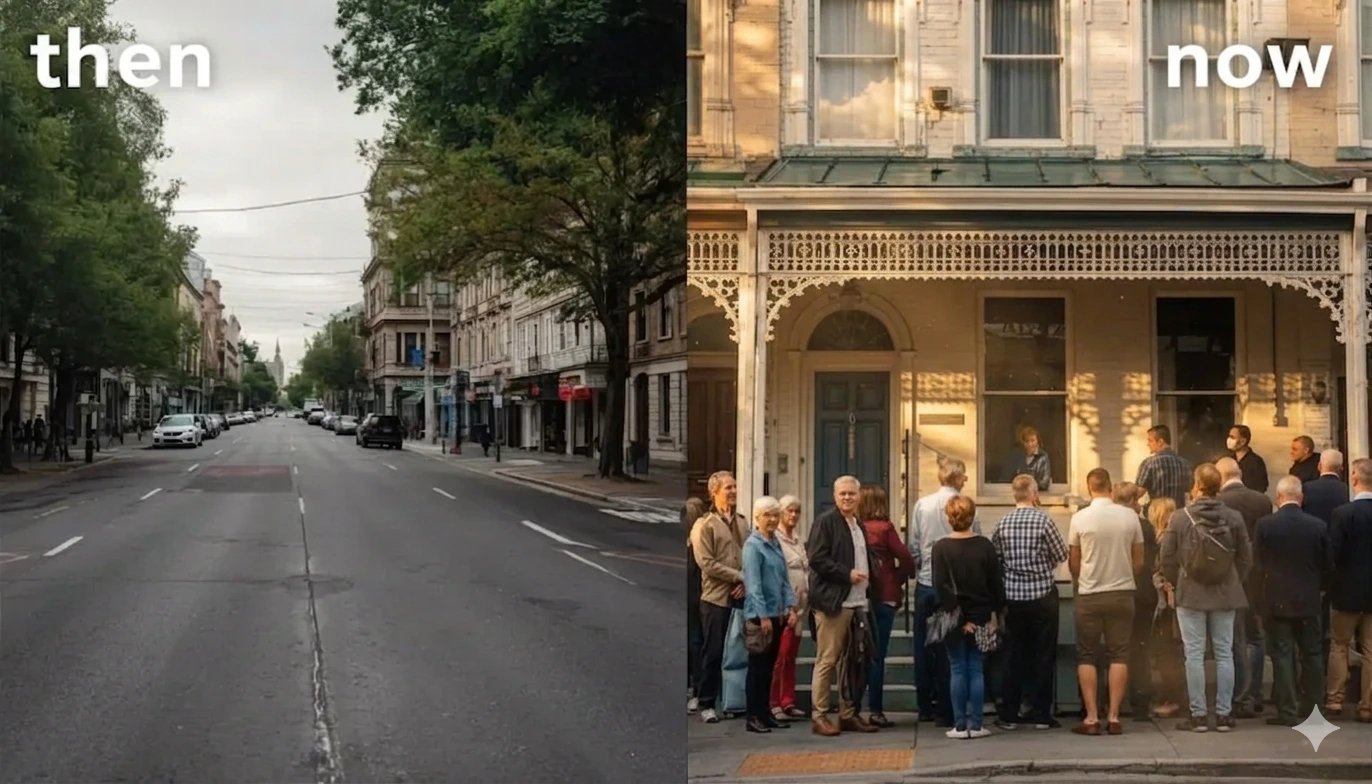
For roughly 20 to 25 years before 2020, Melbourne was actually Australia’s best-performing property market. What happened over the last five years looks more like an anomaly than a permanent shift. And understanding what caused it is important, as those same factors are now reversing. If you’re ready to act but don’t want a large cash deposit sitting idle, an ENAYBL deposit bond lets you secure your position at exchange and keep your capital working.
What Caused Melbourne's Underperformance?
A 262-day COVID lockdown, the loss of overseas migration, and a sharp reversal to negative interstate migration. Together, they turned one of Australia’s best-performing property markets into one that barely moved.
The world’s longest city lockdown. Melbourne endured 262 days of lockdown during COVID, it was the longest of any city globally. That alone was enough to push people out of the city and reshape how buyers thought about living there.
The loss of overseas migration. Victoria and Melbourne specifically have historically been Australia’s biggest beneficiaries of overseas migration. It’s what was driving Melbourne towards eventually overtaking Sydney as Australia’s most populous city. When that migration stopped during the pandemic, the flow-on effects on housing demand were severe.
Negative interstate migration. During those lockdown years, Melbourne went from a city that historically saw modest positive interstate migration to one that was losing 25,000 to 30,000 people a year to other states. That’s a significant shift for a city whose growth depended on people arriving.
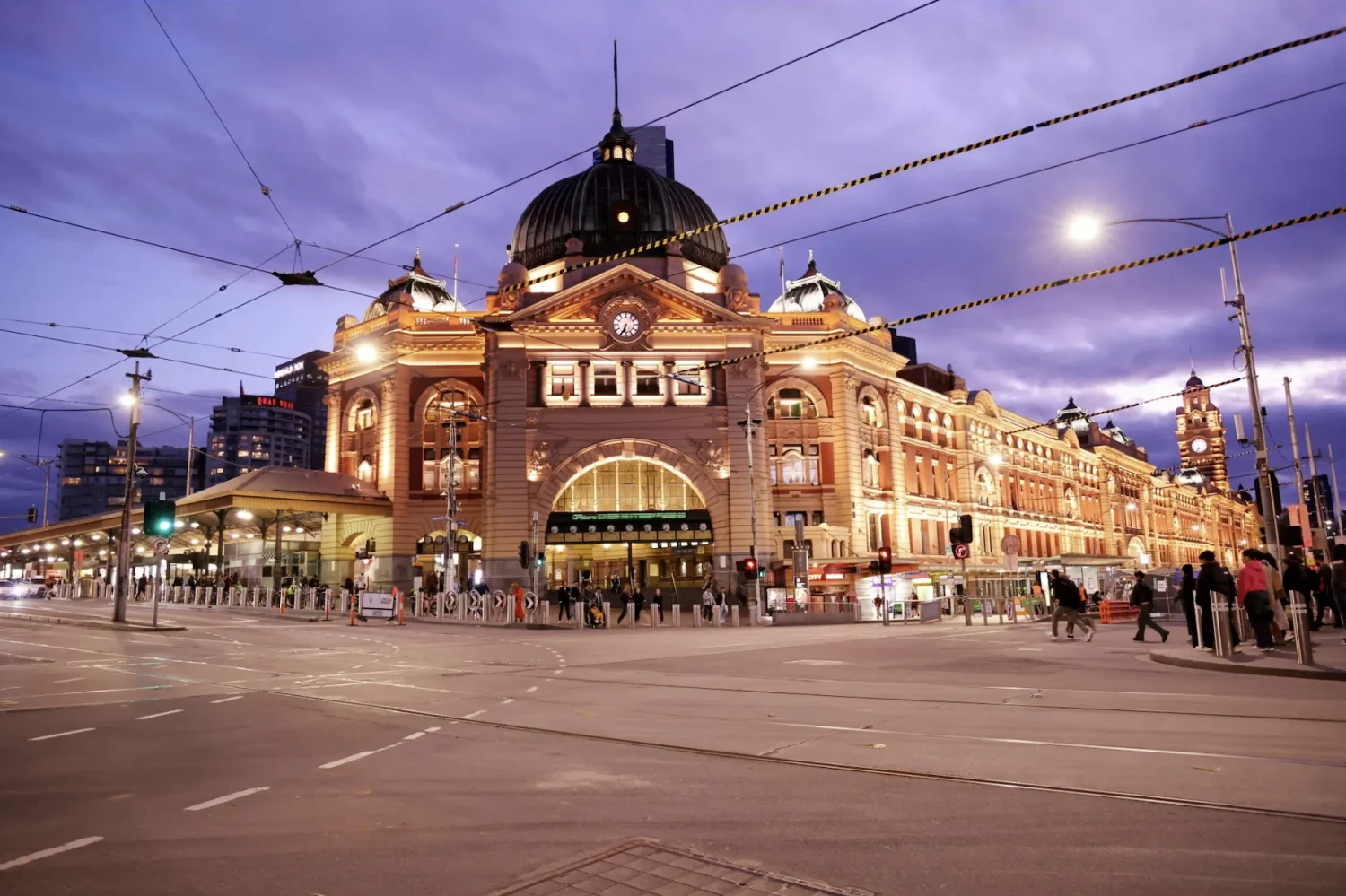
Combine all three of those factors, fewer overseas arrivals, people leaving for other states, and an extended lockdown that made the city genuinely unattractive, and you get a market that struggled while the rest of Australia boomed.
What's Driving The Melbourne Market In 2026?
The same three forces that held Melbourne back are now reversing, showing positive signs. Population growth is back, vacancy has tightened to 1.8%, and the price gap with Sydney is the widest it’s been since 2003.
Population is growing again. Victoria is once again the fastest-growing state in Australia by overall population. Overseas migration has returned, and the interstate migration losses have stabilised. There is no longer that heavy decline in residents moving north to QLD and NSW at the rate it was during the pandemic years.

Vacancy rates have tightened dramatically. At their worst, Melbourne’s vacancy rate reached 5%, notably rare for a city that had always been tightly held. That rate has now fallen back to 1.8%. As Dominic explains, “rental stock is diminishing and rental prices are starting to rise.” That tightness is starting to attract investors back into the market who sense an opportunity.
The price gap with Sydney is the widest in over 20 years. The last time Sydney and Melbourne prices were this far apart was 2003, coming off the back of Sydney’s Olympic boom. Melbourne’s city-fringe property now looks hard to overlook when held up against equivalent Sydney suburbs. With similar job opportunities and incomes across both cities, that gap is hard to justify into the future.
Auction clearance rates are climbing. Clearance rates have risen from 63% to around 75% year on year. Days on market are falling. Investor inquiry into Melbourne has increased significantly. These are the kinds of leading indicators that typically show up before the broader market turns.
How Have Victorian Government Policy Changes Affected Melbourne's Property Market?
Victoria’s lower land tax threshold pushed investors out and shrank rental supply, but the government has since introduced stamp duty concessions on off-the-plan purchases for both investors and first home buyers, a clear signal it wants them back.
It’s worth understanding the regulatory environment, because it’s both a reason for the underperformance and a signal of where things are heading.
Victoria lowered the land tax threshold, which caught a lot of existing investors, including some who hadn’t previously paid land tax at all. Alongside other legislative changes, this led to a measurable drop in the number of residential investment bonds being placed. Dominic Cavagnino places this somewhere around 22,000 fewer between 2023 and 2025.
At the same time, first home buyer participation increased, around 74,000 additional first home buyer loans were approved over the same period. That’s a real positive for housing access. But it’s come at a cost to the rental market.
Australia relies on private investors to supply over 90% of its rental housing. When government policy discourages investors and they exit the market, the available rental stock shrinks. Less supply plus consistent demand equals rising rents and tighter vacancy, which is exactly what Melbourne is now experiencing.
The Victorian Government has since responded by introducing stamp duty concessions for off-the-plan purchases. Buy before construction commences, and you access the largest saving. For example, on a $900,000 property, that’s estimated at around $30,000 off a total stamp duty bill of approximately $50,000.
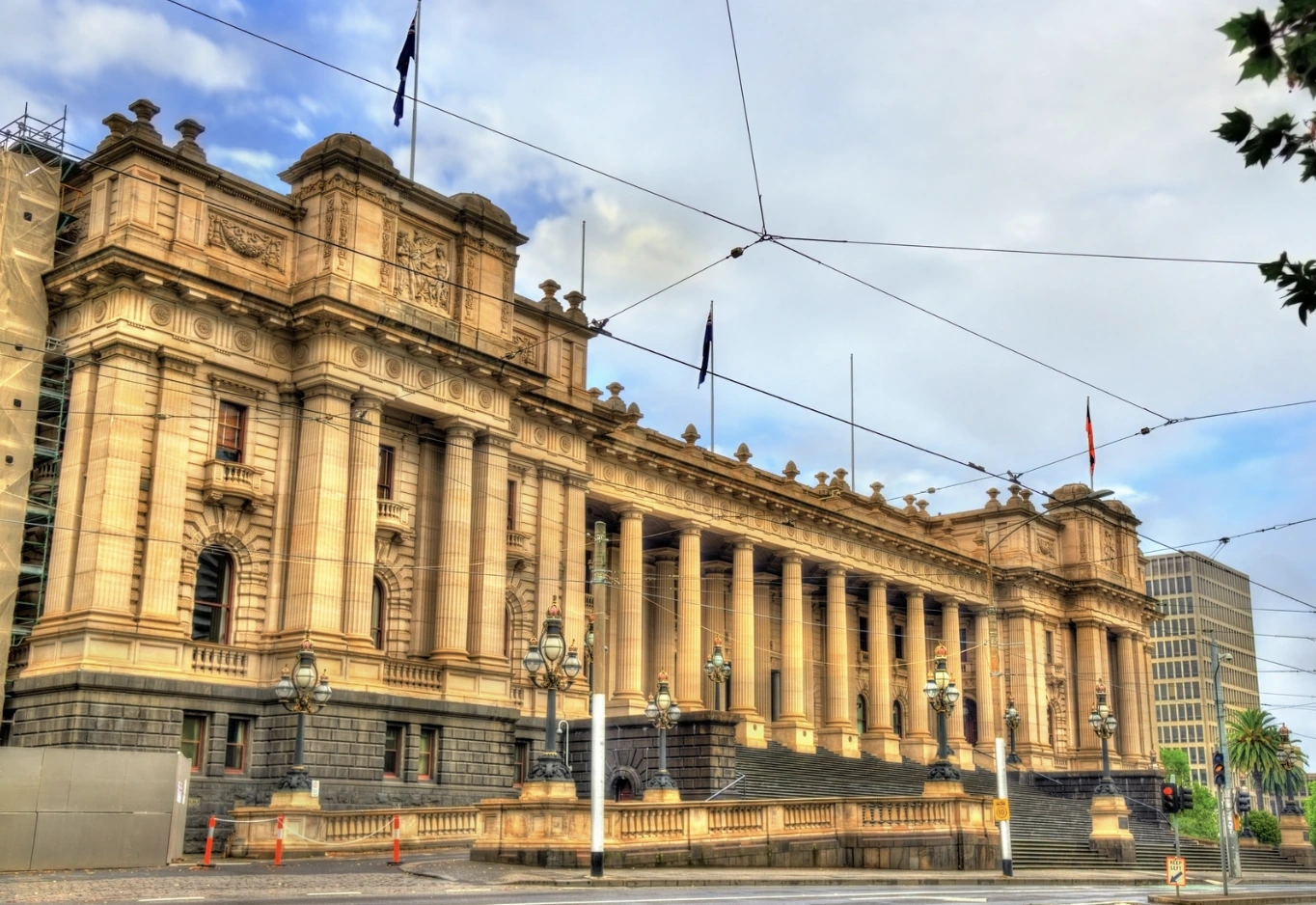
Importantly, this concession is available to investors as well as first home buyers, a clear signal that the government wants new supply built and wants investors back in the picture. The stamp duty saving comes with a long lead time between exchange and settlement. ENAYBL’s deposit bond solutions let investors secure off-the-plan purchases now while keeping their capital free until the keys are handed over.
What Should Property Investors Focus On In Melbourne For 2026?
Stay close to the city, look for heritage overlays, and avoid the outer growth corridors. In Melbourne, the investment case is built on scarcity, and scarcity lives in the inner ring, not on the fringe.
Stay close to the city. Dominic is clear on this: the investment case for Melbourne is built on everything that made it the most liveable city for 7 years, from 2011 – 2017. The parts of Melbourne worth investing in are the parts that actually deliver that lifestyle of walkable laneways, great cafes, world-class sport, trams, culture. Buying in the urban growth corridors on the outer fringe means you’re separated from the city’s real drawcard, you’re competing with unlimited land supply, and relying on infrastructure that locals will tell you isn’t yet up to scratch.
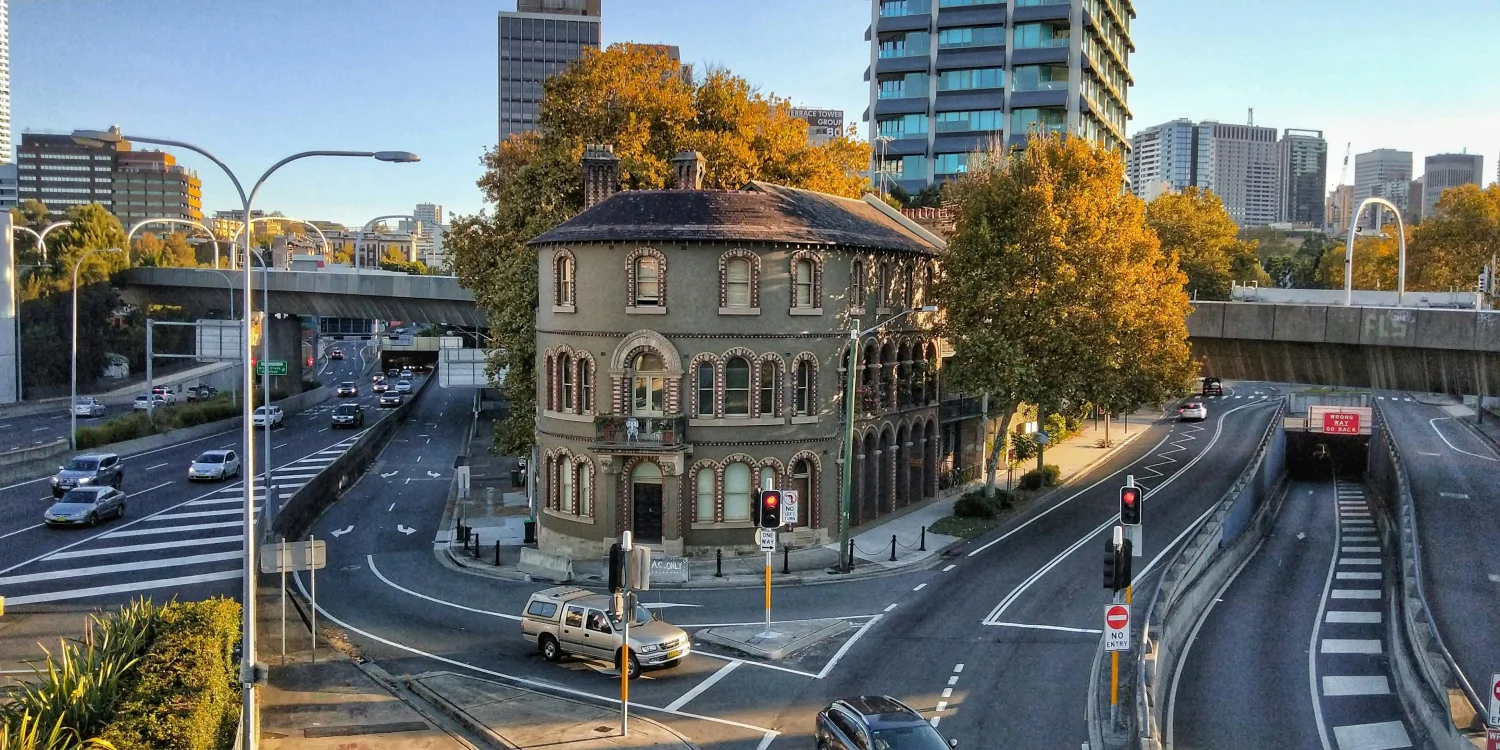
Avoid the outer urban growth corridors. Melbourne is unusually flat and has a lot of developable land on its fringes. Unlike Sydney, Brisbane, or the Gold Coast, there’s no geographic constraint stopping new supply from continually being added to these outer areas. That’s a structural problem for investors, no scarcity means no meaningful floor under values. It also creates rental competition, because there’s no way to control the ratio of owner-occupiers to investors in these developments.
Look for heritage overlays. Within the city fringe, heritage overlays are one of the best structural protections available. They limit the kind of dense redevelopment that can dilute your property’s value, protect view lines, and control how much new supply enters a particular area. Apartments in suburbs adjacent to heritage precincts have both the lifestyle access and the supply constraint that make for a genuinely defensible investment.
Find the points of difference. In Melbourne’s inner suburbs there are apartment buildings that combine heritage architecture with contemporary interiors, properties that are fairly distinctive, not just another tower in a sea of similar stock. Dominic’s advice is to be selective: look for attributes that make a property stand out, because that’s what protects you at resale.
Which Melbourne Suburbs Should Investors Watch In 2026?
Melbourne is not one market, it’s dozens of smaller markets, each with its own demand profile, supply constraints, and buyer demographic. The following four suburbs represent the kind of city-fringe, lifestyle-rich, heritage-protected areas that Dominic’s investment framework points toward: close to the city, real lifestyle amenity, and structural limits on new supply. They sit at very different price points, which matters in a market where entry cost is one of the bigger variables investors are working around.
Clifton Hill: Best Inner-North Fundamentals | Median house: $1,504,000 | Median unit: $810,500 | Unit yield: 4.1%
Just 4 kilometres from the CBD, Clifton Hill consistently punches above its weight as an investment suburb, and it does so for reasons that are hard to replicate. The suburb is almost entirely defined by Victorian and Edwardian streetscapes, with heritage overlays protecting the character of Queens Parade and the surrounding residential streets. That’s not just aesthetically pleasing, it puts a hard ceiling on how much new competing supply can be added nearby.
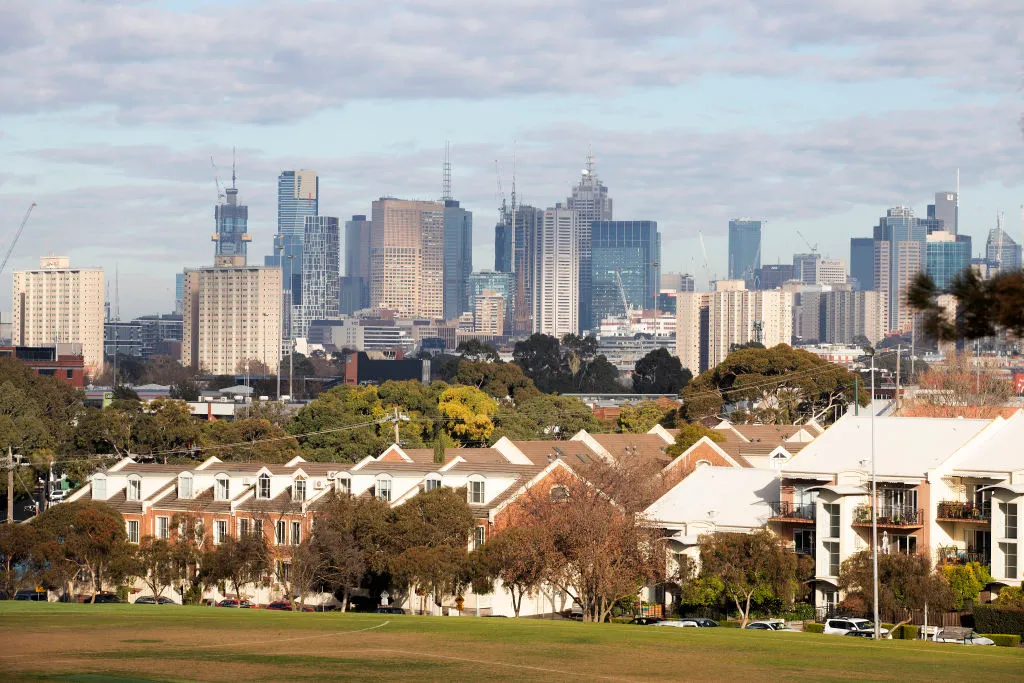
The Merri Creek Trail and Yarra Bend Park form its eastern boundary, adding lifestyle infrastructure that no developer can build. Unit median of $810,500 with a 4.1% yield is a compelling combination for Melbourne’s inner ring, and the suburb’s 2025 unit growth of 18.8% (OpenAgent data) reflects growing buyer recognition of its fundamentals. Days on market are short and auction clearance rates are strong. For investors who want inner-Melbourne exposure with heritage protection baked in, Clifton Hill is difficult to argue against.
Fitzroy: Best Lifestyle Premium Play | Median unit: ~$800,000 | Unit yield: 4.4%
Three kilometres from the CBD, Fitzroy is the suburb that arguably defines Melbourne’s cultural identity the laneway bars, the independent bookshops, the cafe culture that made the city famous internationally. It’s also one of the most heritage-protected precincts in Victoria. Almost the entire suburb sits within heritage overlay zones, which means the kind of high-density tower development that has diluted values in other inner-Melbourne locations simply cannot happen here at scale.
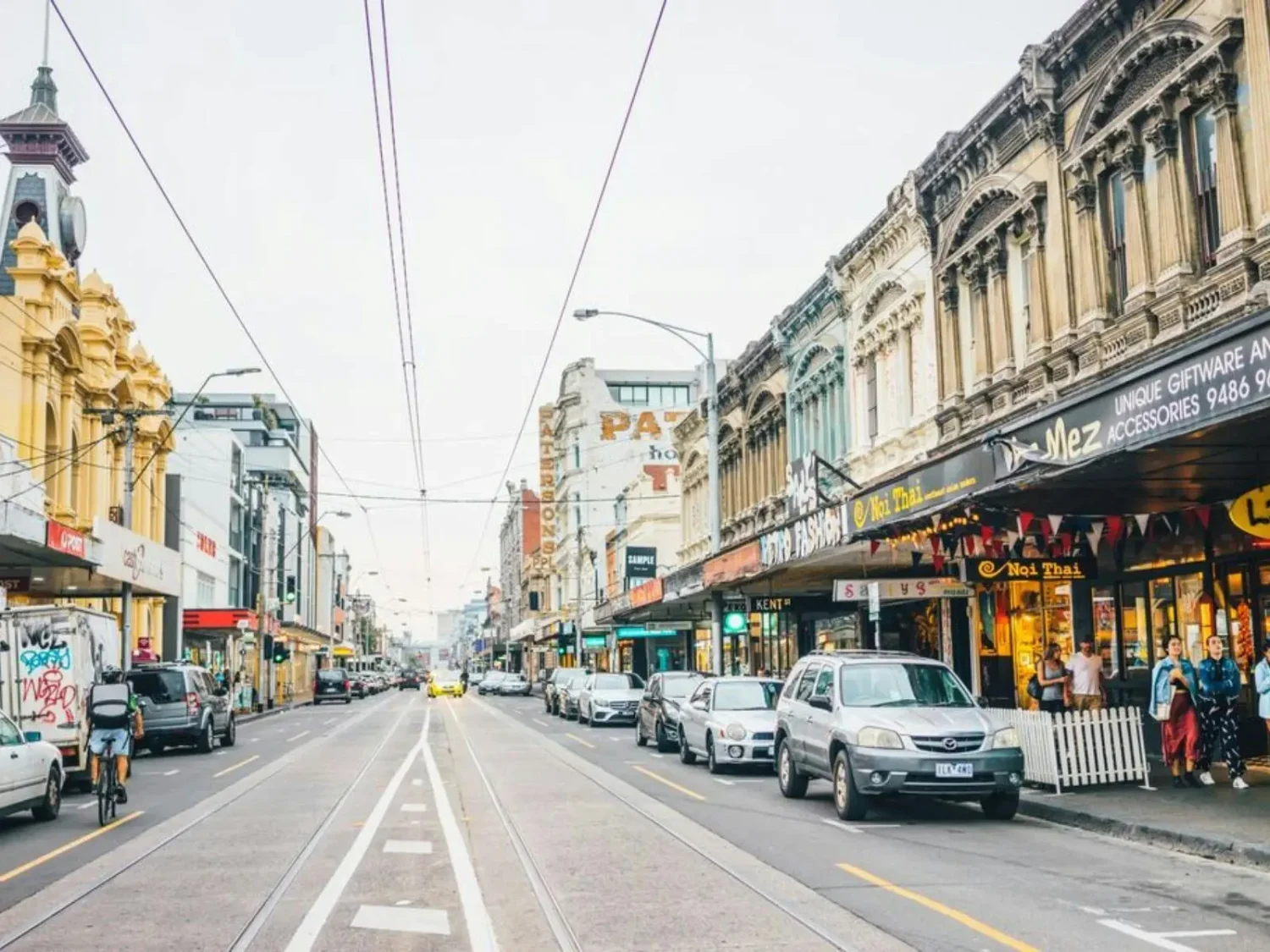
The investment case isn’t built on new supply coming online, it’s built on existing land that you can’t replicate. Unit yields sitting at approximately 4.4% (CoreLogic/YIP data to January 2026) make the income side of the equation workable. The buyer and tenant pool here is broad and deep, students, creative professionals, young families, which adds rental resilience that more monocultural markets don’t have. Fitzroy isn’t cheap, and it isn’t meant to be. But for investors focused on long-term capital preservation in a suburb with genuine scarcity of character stock, it remains one of Melbourne’s most defensible positions.
Coburg: Best Value City-Fringe Entry Point | Median house: $1,222,000 | Median unit: $621,250 | Unit yield: 4.6%
Eight kilometres north of the CBD, Coburg sits at the intersection of two things investors in Melbourne’s current market should be looking for: relative affordability compared to inner-north neighbours like Brunswick and Northcote, and authentic cultural and lifestyle depth that is bringing a new wave of buyers in. The suburb has gentrified steadily over the past decade, its Sydney Road strip, food markets, and café scene now attract residents who would previously have stopped at Brunswick. It’s connected by the Upfield train line, multiple tram routes, and sits within easy reach of both RMIT and the University of Melbourne.
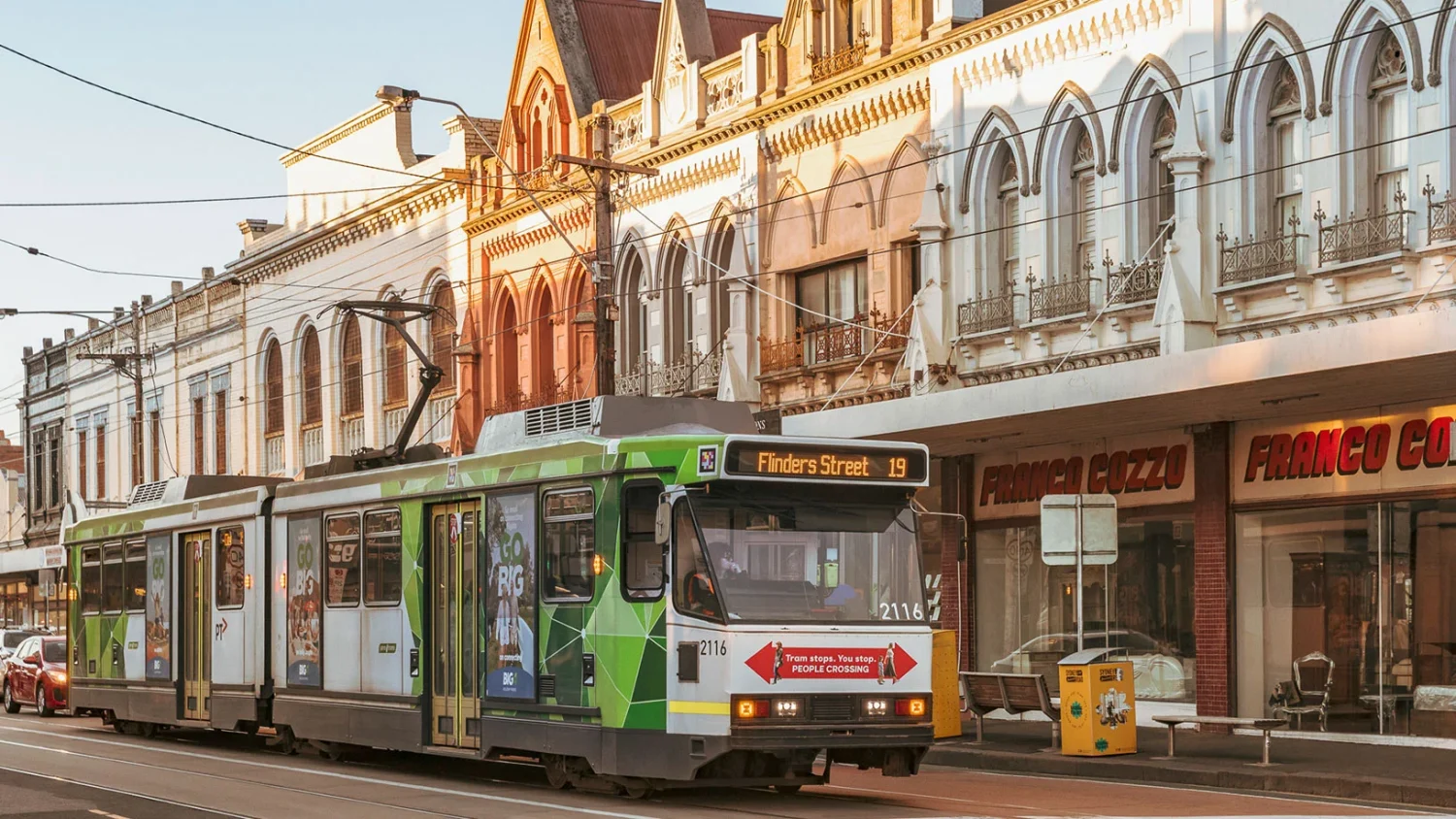
Houses have grown 5.8% annually and units sit at a median of $621,250, offering one of the more accessible entry points to Melbourne’s inner north with a 4.6% unit yield, above the Melbourne average. For investors who want city-fringe exposure without inner-city prices, Coburg is worth serious attention. The key is product selection: boutique low-rise apartments in streets with heritage character, rather than the kind of generic medium-density stock that can appear anywhere.
South Yarra: Best Premium Unit Market | Median unit: ~$620,000 | Unit yield: 5.37%
Four kilometres southeast of the CBD, South Yarra is Melbourne’s most recognised inner-city lifestyle suburb, and in 2026 it’s presenting an investment case that isn’t getting nearly enough attention. While the suburb’s prestige reputation leads many investors to dismiss it as “too expensive,” the unit market tells a different story. Median units sit around $620,000 with a gross yield of 5.37% (CoreLogic/YIP data to December 2025), among the strongest yield readings of any inner-Melbourne suburb, and a direct reflection of the depth and quality of the tenant pool.
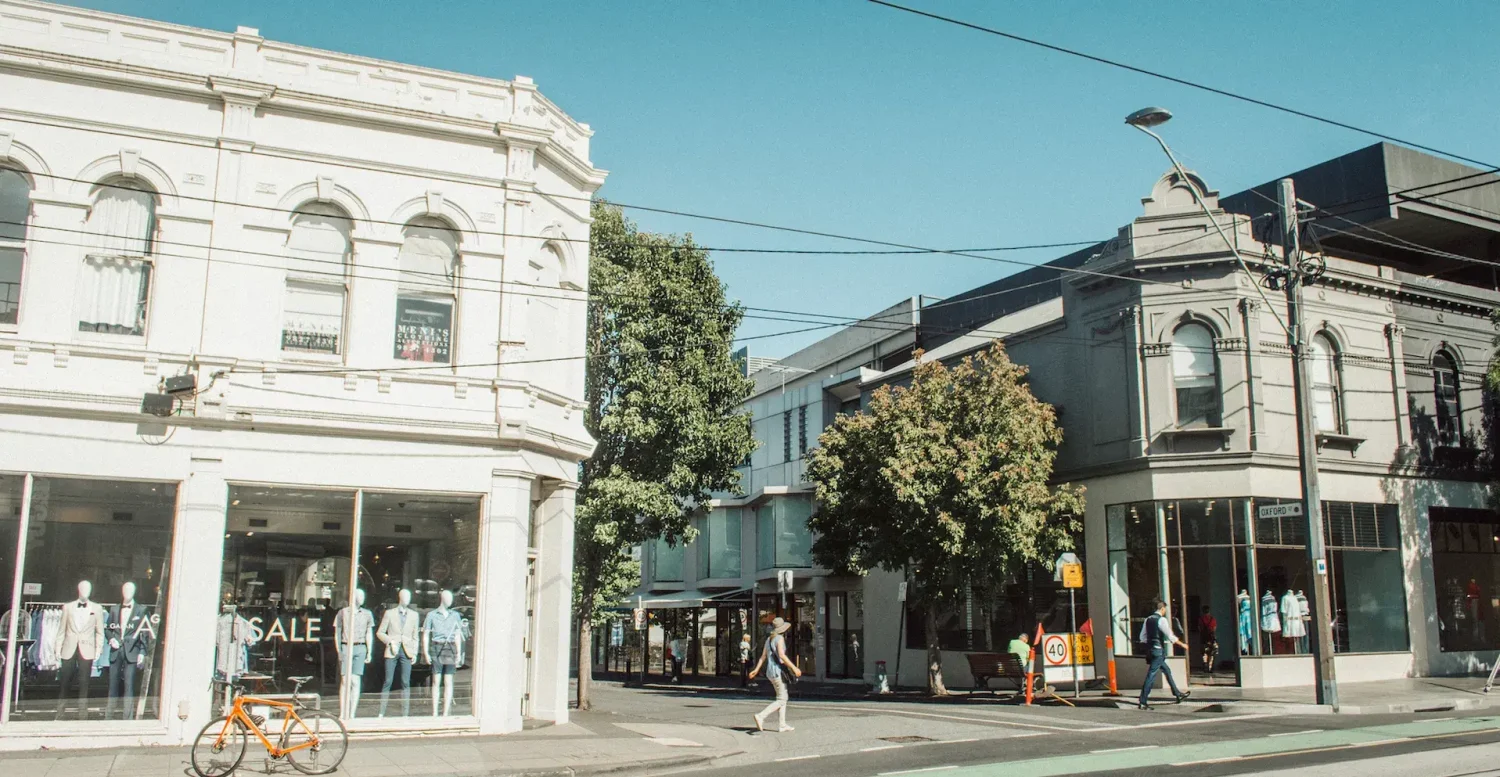
South Yarra Station is one of Melbourne’s major rail junctions, and the 2025 completion of the Metro Tunnel integration has significantly increased rail capacity for the precinct. The Jam Factory redevelopment, a $3.75 billion project on Chapel Street due for completion around 2027, will add over 800 luxury residences, two hotels, and a major retail and dining precinct, bringing a new wave of residents and foot traffic. Heritage protections across the suburb’s residential streets limit the kind of oversupply risk that plagues tower-heavy corridors. For investors who want yield, lifestyle amenity, and infrastructure uplift in a structurally undersupplied inner suburb, South Yarra’s unit market in 2026 is hard to ignore.
Melbourne Suburbs Median House and Unit Prices
Suburb | Median House Price | Median Unit Price | Unit Yield |
Clifton Hill | $1,504,000 | $810,500 | 4.1% |
Fitzroy | $1,571,000 | ~$800,000 | 4.4% |
Coburg | $1,222,000 | $621,250 | 4.6% |
South Yarra | $1,900,000 | ~$620,000 | 5.4% |
Source: CoreLogic / YIP / OpenAgent / Chamberlain Property Advocates data to December 2025 – January 2026
Melbourne Rental Market: Where Are Rents Heading For 2026?
Vacancy has fallen from 5% to 1.8% and rents are rising, Melbourne’s rental market is tightening quickly, and inner-ring units are where the better returns are sitting.
Melbourne’s vacancy rates have tightened more which is historical for a city that has always had low vacancy. Rents are rising as a direct consequence of reduced stock, investors who sold out of the market during the land tax changes took supply with them, and not all of that stock has been replaced.
For investors coming in now, rising rents combined with entry prices that remain below historical norms relative to Sydney make the case for investing more compelling than it has been for some time.
The city-fringe unit market in particular, where heritage overlays protect supply and lifestyle amenity attracts quality tenants, is where the better rental propositions tend to sit.
Is Melbourne Worth Investing In For 2026?
Population is growing, vacancy is tight, rents are rising, auction clearance rates have jumped to 73–75%, and the price gap with Sydney is at a 20 year wide. After five years of underperformance, Melbourne is showing the early signs of a genuine turn. Dominic’s view aligns with PropTrack and CoreLogic forecasts of 5–7% dwelling price growth for Melbourne in 2026, modest by national standards, but a meaningful step up from the flat conditions that defined the past five years.
The leading indicators are moving in the right direction with rising population, tightening vacancy, increasing rents, stronger auction clearance rates, and falling days on market. The price gap with Sydney is at a 20 year wide, and the policy settings are shifting to encourage new supply and investor participation.
Markets that are teetering at a turning point can take a couple of years before the full momentum builds.

But for investors who want to be positioned ahead of the curve rather than chasing it, the combination of relative value, improving fundamentals, and a rental market that is finally tightening in their favour makes Melbourne a conversation of 2026.
How ENAYBL Can Support Your Melbourne Property Purchase
Whether you’re a first-time investor or adding to an existing portfolio, Melbourne’s combination of relative value, improving fundamentals, and a tightening rental market presents a real opportunity heading into 2026. At ENAYBL, we help property investors manage deposit requirements with our deposit bond solutions, keeping your capital free from exchange through to settlement. Contact us today to find out how we can support your Melbourne property investment journey.
Frequently Asked Questions About Melbourne Property Investment
The evidence is building that it is. Melbourne has underperformed the national average significantly over the past five years — growing around 8% while Brisbane and Perth grew over 67–70% — but the conditions that caused that underperformance are now reversing. Population is growing again, vacancy has tightened from 5% to 1.8%, auction clearance rates have climbed from 63% to 75%, and the price gap with Sydney is at its widest since 2003. For investors who can identify the right product in the right suburb, Melbourne looks considerably more interesting in 2026 than it did even 12 months ago.
City-fringe suburbs with heritage overlays are the strongest proposition for investors in 2026. These areas combine genuine lifestyle amenity — the cafes, restaurants, transport, and culture that make Melbourne liveable — with structural supply constraints that protect long-term values. Avoid the outer urban growth corridors, where an abundance of developable land means there’s no meaningful cap on competing new supply.
The reduction in the land tax threshold pushed many investors out of the Melbourne market, reducing available rental stock and contributing to the vacancy tightening from 5% to 1.8%. In response, the government has introduced stamp duty concessions on off-the-plan purchases — available to both first home buyers and investors — signalling that it wants to encourage new supply and bring investors back in.
For investors specifically, apartments in well-located, supply-constrained inner-city and city-fringe suburbs tend to offer a more workable entry point and stronger rental demand than houses at the same location. Look for buildings with genuine character — heritage blends, unique design attributes — rather than generic high-density towers, and prioritise suburbs where heritage overlays limit how much new competing stock can be added nearby.
Standard purchases require a 10–20% cash deposit. For off-the-plan purchases, where the Victorian Government’s stamp duty concessions are most valuable, settlement can be 12 to 24 months from exchange — meaning a significant amount of capital sits idle for an extended period. ENAYBL’s deposit bond solutions provide a practical alternative, securing your position at exchange without locking away that cash. Get in touch with the ENAYBL team to find out if a deposit bond is the right fit for your next purchase.
The content of this blog reflects the personal views of the author and is for information purposes only. It does not constitute financial, investment or professional advice. Readers should conduct their own research and consult a qualified financial or property adviser before making any decisions to invest in property. The author and the blog are not responsible for any actions taken based on the content.