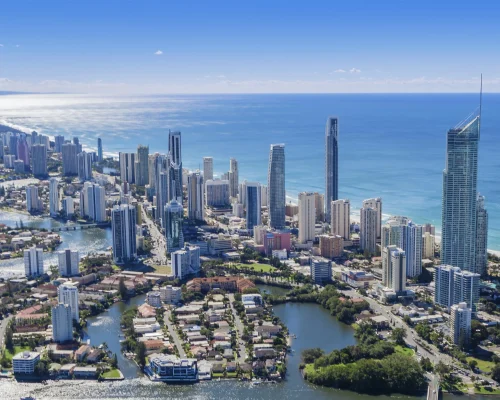
Taking all factors into account, the Olympics, limited supply, lifestyle factors, strong population growth, and low vacancy rates – Brisbane’s property market is set for continued growth in 2026. According to major bank forecasts and industry analysts, at ENAYBL, we anticipate Brisbane house prices to grow between 4-8% in 2026, with apartments potentially outperforming at 7-10%. Domain forecasts Brisbane house prices to reach $1.09 million by mid-2026, while units are expected to deliver faster growth due to their relative affordability and tight supply.
For investors considering Brisbane in 2026, focus research on middle ring suburbs within 10-20km of the CBD. Particularly those where there is scarcity and offer proximity to transport, employment hubs, and lifestyle attributes that owner-occupiers seek. Such suburbs would include Albany Creek, Taigum, Kenmore, Redcliffe, Ormiston, and Victoria Point that combine strong fundamentals with growth potential heading toward 2030 and beyond.
Like the broad Australian property market, Brisbane consists of many smaller markets defined by suburb property type and residents. For example, inner city apartments in Brisbane CBD or Fortitude Valley behave very differently than family homes in middle ring suburbs like The Gap or Morningside, and both differ from new builds on the city fringe in areas like North Lakes or Springfield. The key is identifying pockets where scarcity, transport and lifestyle factors combine to support long-term value.
How Has Brisbane Property Performed Since 2020?
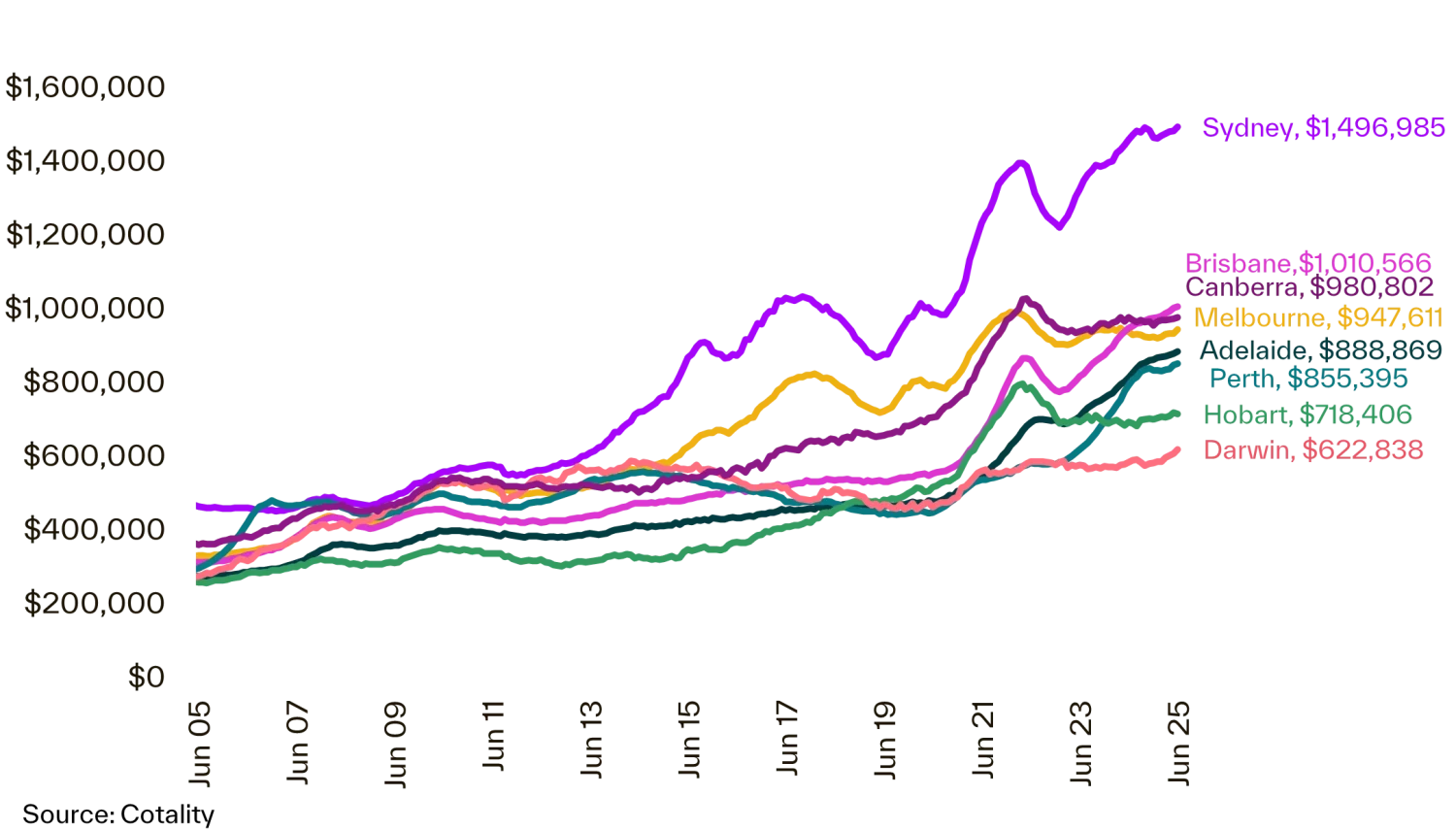
For roughly a decade after the Global Financial Crisis, Brisbane’s property prices remained relatively flat while cities like Sydney boomed. But in the last 5-6 years there’s been a turning point. According to Dominic Cavagnino, head of research at Binnari Property, Brisbane has seen average growth of around 67% over the past five to six years, making it one of the top three performing markets around the country. More recently, the market has delivered approximately 8% growth across dwellings in the last 12 months
This period has been marked by exceptionally low vacancy rates. Suburbs like Albany Creek, Taigum, Newport, Redcliffe, Ormiston, and Victoria Point have seen vacancy rates drop below 1%, well under previous averages. When vacancy rates fall this low, rents rise due to scarcity in supply and investors enjoy both capital growth and cash flow. Currently gross rental yields in these middle ring suburbs is currently sitting at around 4.5-5.5%. These tight rental conditions are expected to continue into 2026.
Why Inner And Middle Ring Brisbane Suburbs Will Outperform In 2026
While many parts of Brisbane have performed well, the strongest growth has come from suburbs within roughly 10-20 km of the CBD. These established areas benefit from scarcity, better access to public transport, major employment hubs, and lifestyle precincts.
On the north side, suburbs like Albany Creek (median house price $1.1M) and Taigum (median house price $930K) offer family friendly environments with strong infrastructure, quality schools and established amenities. Coastal areas such as Newport (median house price $1.1M) and Redcliffe (median house price $900k) provide waterfront living, combining the relaxed bayside atmosphere with convenient city access.
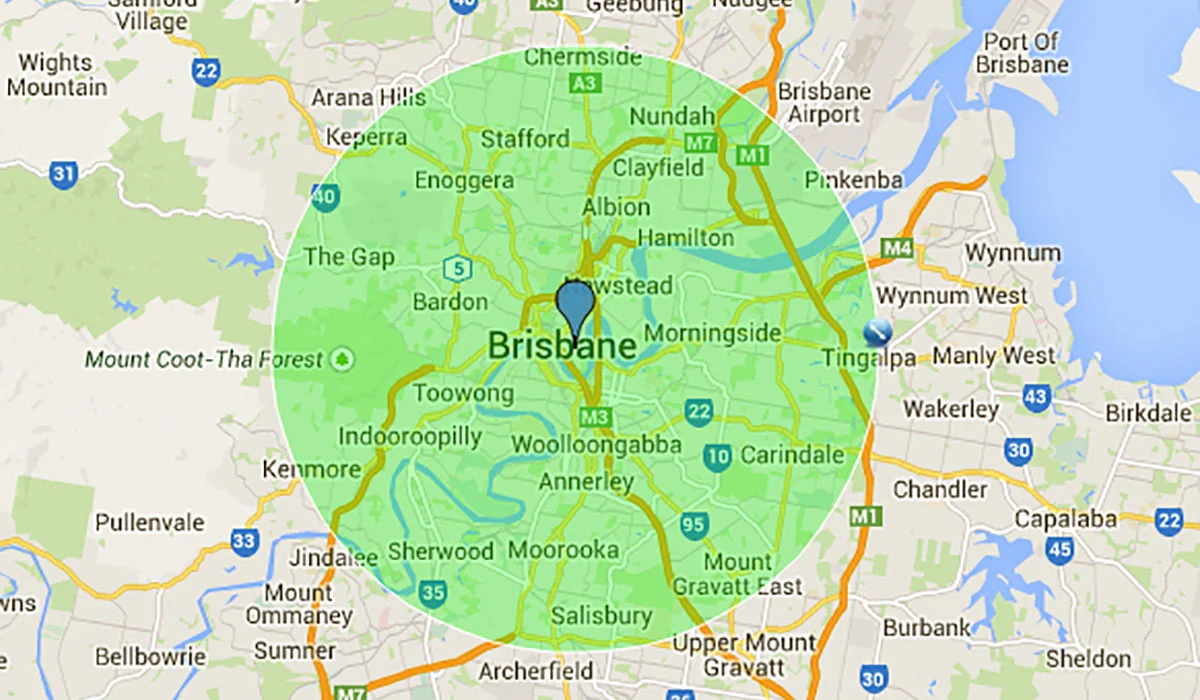
Western suburbs like Kenmore (median house price $1.3M) and Chapel Hill also show strong performance, driven by excellent schools, and family appeal. On the south side, Ormiston and Victoria Point combine bayside charm with proximity to employment centres and shopping precincts. These suburbs offer diverse appeal, from capital growth in family oriented neighbourhoods to strong rental yields in lifestyle locations.
Brisbane’s relaxed outdoor lifestyle draws newcomers from Sydney and Melbourne, who tend to settle in these middle ring locations that balance affordability with accessibility. According to Australian Bureau of Statistics data, Queensland gained 25,940 residents via interstate migration in the year to December 2024, with more than 60% (approximately 18,000 people) coming from New South Wales alone
How Will The 2032 Olympics Impact Brisbane Property Prices?
The 2032 Olympic Games are acting as a catalyst for major infrastructure commitments. Under a $7.1 billion funding agreement split equally between the Australian and Queensland governments, Brisbane will see substantial investment in new transport links, precinct upgrades and urban renewal projects through the remainder of this decade. The centrepiece is a proposed $3.7 billion – 63,000 seat stadium at Victoria Park, alongside a network of 17 new and upgraded venues across the state.

These projects create jobs, attract skilled workers and drive housing demand near major precincts. The city is also becoming more cosmopolitan and trendy, with recent developments like the $3.6 billion Queen’s Wharf Brisbane integrated resort, which opened in stages from August 2024. This precinct features luxury hotels, over 50 restaurants and bars and the Neville Bonner Bridge connecting to South Bank, transforming Brisbane into a global tourism and entertainment destination. Combined with infrastructure like Cross River Rail and Brisbane Metro, these developments are reshaping the city’s appeal for both residents and investors.
How Do Brisbane Property Prices Compare To Sydney and Melbourne?
Despite recent growth, Brisbane remains significantly more affordable than Sydney. According to Cotality (CoreLogic) data from June 2025, Brisbane’s median house price sits at $1,011,000 compared to Sydney’s $1,560,000, a difference of $549,000. Brisbane has also now overtaken Melbourne as the second-most expensive capital city market in Australia, with Melbourne’s median house price sitting at $948,000.
This affordability gap continues to draw interstate movers to Brisbane, particularly from Sydney where more than 18,000 people relocated to Queensland in 2024 alone. Between June 2020 and June 2025, Brisbane house values have surged an impressive 76%, driven by strong population growth, lifestyle appeal, and Queensland’s warmer weather. Combined with job opportunities from infrastructure projects, Queensland’s climate, and lifestyle factors, Brisbane becomes increasingly attractive to investors and owner-occupiers alike.
The rapid boost to Brisbane’s population growth at a time of constraints on housing supply has created substantial upward pressure on values and urgency in the housing market. Greater Brisbane’s population grew by 9.2% (an additional 235,000 people) between June 2020 and June 2024, significantly outpacing the national population growth rate of 6.0% during the same period.
Brisbane vs Sydney vs Melbourne Property Price Comparison (June 2025)
| Property Type | Brisbane | Sydney | Melbourne |
|---|---|---|---|
| Median House Price | $1,011,000 | $1,560,000 | $948,000 |
Source: Cotality (CoreLogic) – June 2025
Why Brisbane's Housing Supply Shortage Will Continue
New housing supply is severely constrained, especially in the apartment sector. According to Property Council research, Brisbane’s apartment development pipeline has become critically constrained, with only 1,523 units completed in 2024 with a similar number expected to be completed in 2025. This falls well short of the 7,500 attached dwellings needed annually according to the South East Queensland Regional Plan
The situation is driven by soaring construction costs and ongoing labour shortages, with high material prices and limited trade availability making many projects financially unviable. Olympic infrastructure projects are also competing for construction labour, further constraining residential development capacity. Many medium to large scale developments have been delayed or cancelled as developers struggle with project economics.

Brisbane also faces geographic constraints that limit development in certain directions. To the East Moreton Bay and coastal areas restrict expansion, while to the north and northwest, the D’Aguilar National Park and protected ranges create natural boundaries. The south has the Scenic Rim and national parks. While western suburbs like Ipswich offer some room for expansion, inner and middle ring areas face significant supply limitations.
This scarcity will naturally support property values and help investors achieve strong returns in the medium to long term. If you’re considering property investment, Brisbane should be strongly considered. Focus on middle ring areas with sustained growth, particularly suburbs offering scarcity, proximity to transport and employment, and lifestyle attributes that owner occupiers seek. Now is the time to identify suburbs with the strongest fundamentals heading toward 2030 and beyond.
Explore Your Potential Brisbane Property Investment
Whether you’re a first-time buyer or experienced investor, Brisbane’s combination of affordability, infrastructure investment, and population growth presents compelling opportunities. At ENAYBL, we help property investors explore deposit requirements with our innovative deposit bond solutions. Contact us today to learn how we can support your Brisbane property investment journey.

Frequently Asked Questions About Brisbane Property Investment
Yes, Brisbane remains an excellent investment opportunity in 2026. The market is forecast to deliver 4-8% growth for houses and 7-10% for apartments, supported by strong fundamentals including interstate migration of over 25,000 people annually, chronic housing supply shortages, and billions in Olympic infrastructure investment. Brisbane’s median house price of $1.11 million is still $472,694 cheaper than Sydney, offering better value with strong rental yields of 4.5-5.5%.
The best Brisbane suburbs for 2026 are in the middle ring (10-20km from CBD) where supply is constrained and infrastructure is strong. Suburbs investors should focus their research on include Albany Creek (median $1.1M), Taigum ($930K), Kenmore ($1.3M), and coastal areas like Newport and Redcliffe on the north side. On the south side, Ormiston and Victoria Point offer bayside lifestyle with strong growth potential. These suburbs combine scarcity, transport access, quality schools, and owner occupier appeal.
Both offer strong opportunities, but apartments are forecast to outperform houses in 2026 (7-10% vs 4-8% growth). With Brisbane’s median house price exceeding $1.1 million, apartments offer a more accessible entry point at $774,498 median, with higher gross rental yields (4.5-5.5%) compared to houses (3.5-4.2%). However, apartments have limited new supply with only 1,500 units expected to be completed construction in 2025, creating scarcity-driven growth. Choose where to invest based on your budget and investment goals.
The 2032 Olympics are a major catalyst for Brisbane property growth. The $7.1 billion funding agreement between federal and Queensland governments is driving infrastructure investment including a $3.7 billion Victoria Park stadium, Brisbane Metro, Cross River Rail, and 17 venue upgrades. This creates jobs, attracts skilled workers, and increases housing demand. Suburbs near Olympic venues and transport corridors are expected to see the strongest capital growth through 2032 and beyond.
Traditional bank deposits require 10-20% of the purchase price. However, ENAYBL offers deposit bond solutions that can help investors secure property without tying up large amounts of cash. This is particularly valuable in a rising market like Brisbane where delaying your purchase could cost you thousands. Deposit bonds can be an effective alternative to traditional bank guarantees, providing flexibility for off-the-plan purchases and investment strategies.
The content of this blog reflects the personal views of the author and is for information purposes only. It does not constitute financial, investment or professional advice. Readers should conduct their own research and consult a qualified financial or property adviser before making any decisions to invest in property. The author and the blog are not responsible for any actions taken based on the content.